The public usually encounters an athlete at the moment of selection.
A name appears on the national team list. A photograph is shared. Congratulations arrive, expectations rise and attention begins shifting towards the competition ahead. The selection is celebrated as though reaching the team were the final achievement.
For Lissa Siya Joseph, however, qualification is only the beginning of another demanding journey.
Earning a place on Tanzania’s Women’s Chess Team confirms that a player has performed strongly enough at national level. It does not automatically provide everything she needs to compete effectively against the world. Between qualification and the first move in Samarkand lies a preparation gap that determination alone cannot always close.
Lissa identifies professional coaching as the most urgent need.
A strong coach does more than teach openings or point out mistakes after a game. The coach studies a player’s patterns, identifies weaknesses she may not recognise herself and creates a structured programme for improvement. For Lissa, whose focus includes middle-game calculation and visualisation, professional guidance could help transform general effort into targeted progress.
Without that structure, preparation can become fragmented. A player may solve tactical puzzles, study openings and analyse games, yet still struggle to determine which weakness deserves the most attention or how different parts of training should fit together.
At Olympiad level, those details matter.
“An Olympian needs a coach,” Lissa says. “We need proper preparation before going to the bigger tournament.”
Coaching is only one part of the system she believes Tanzanian players require. Organised training camps would allow the national team to prepare together, study likely opponents, practise under tournament conditions and strengthen communication among players and officials. Strong practice partners could expose them to different styles, while regular evaluation games would reveal whether their preparation was producing measurable improvement.
The team also needs opportunities to compete internationally before arriving in Samarkand.
“There are many tournaments an Olympian should go through before getting to the bigger tournament,” Lissa explains. “We need that exposure and experience.”
Regional competitions in countries such as Kenya and South Africa could serve as essential preparation grounds. They would introduce Tanzanian players to unfamiliar opponents, different competitive environments and the emotional demands of playing away from home. Each tournament would offer lessons that cannot be fully reproduced through online games or private study.
A player can learn an opening from a database.
She learns how she responds to international pressure by experiencing it.
Lissa discovered this difference in Budapest. The 2024 Olympiad exposed her to players shaped by stronger chess systems, frequent tournaments and years of structured preparation. Some opponents entered the playing hall with professional coaching support, extensive opening knowledge and confidence built through repeated international competition.
Talent allowed Lissa to reach that stage. Experience showed her what was still missing.
Financial support therefore becomes inseparable from competitive preparation. Training camps require venues and equipment. Professional coaching carries a cost. Regional tournaments involve transport, accommodation, registration fees and meals. International preparation can become impossible when players are expected to carry those expenses personally while also managing education, work and family responsibilities.
For Lissa, sponsorship would not represent luxury. It would create access to the conditions required for serious preparation.
The distinction matters. Olympians are often praised for representing the country, yet the practical responsibility of becoming internationally competitive can remain largely theirs. Players may be expected to produce national pride from systems that have not consistently provided the coaching, competition and financial support necessary to build it.
Lissa is not asking for comfort.
She is asking for the tools required to compete.
The need extends beyond one tournament. If investment begins only after players qualify for the Olympiad, Tanzania will continue preparing for major competitions too late. A stronger national chess system would identify promising players earlier, provide year-round coaching, organise regular classical tournaments and build consistent pathways from school clubs to national representation.
That system would also help widen the women’s game. The limited number of active rated Tanzanian women reflects not a shortage of intelligence or ambition, but a shortage of sustained opportunities. Coaching, mentorship and competition would give emerging players the chance to develop before the pressure of national selection arrives.
Lissa’s journey shows what individual determination can achieve. She taught herself chess online, entered competitive play as a beginner, represented Tanzania in Budapest and earned a second Olympiad appearance through six points at the 2026 National Championship.
But her story should not be used to argue that strong systems are unnecessary.
It should show what becomes possible when a determined player receives greater support.
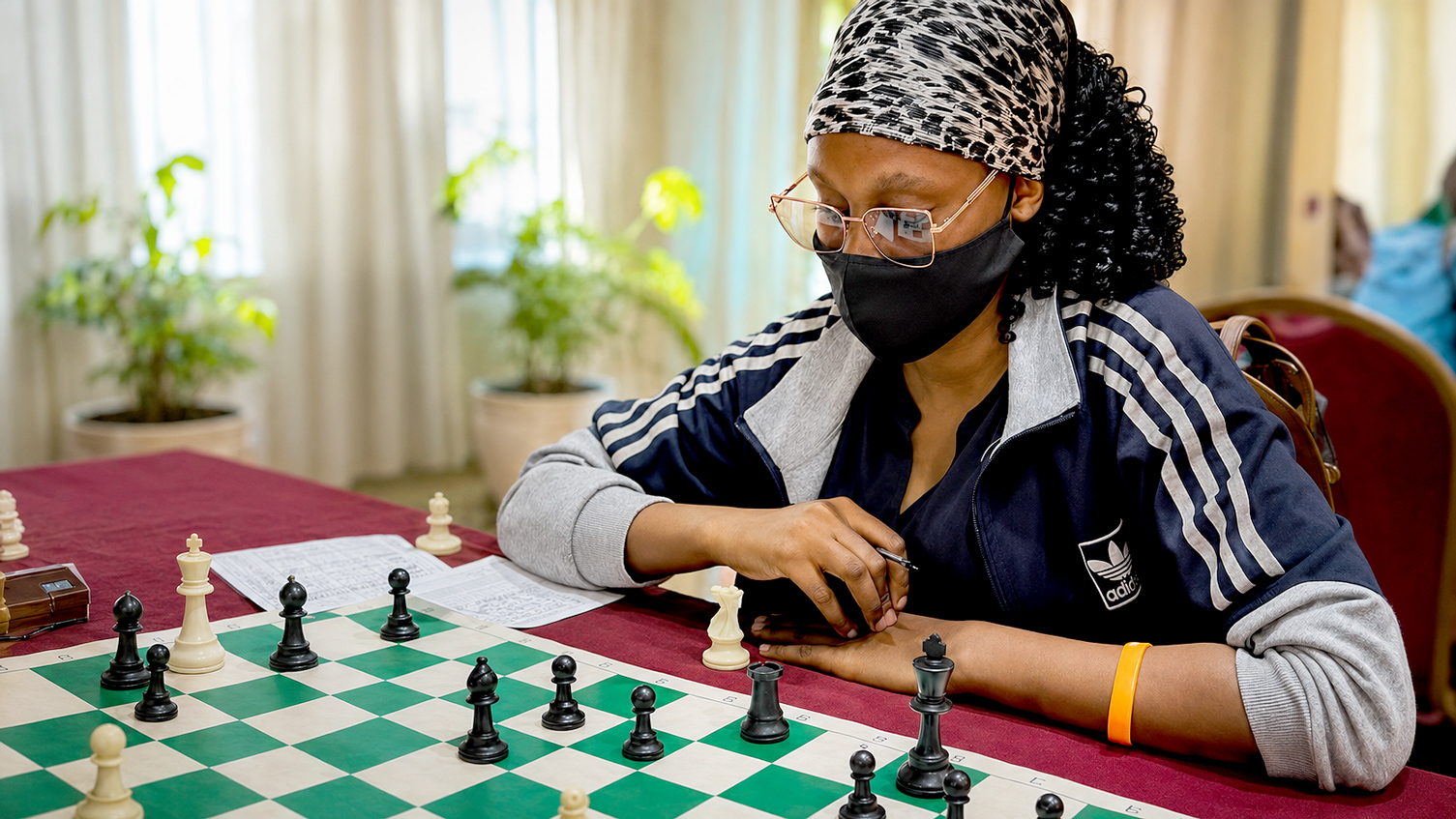
When Lissa sits across from an opponent in Samarkand, the game will appear individual. She alone will calculate the variations, manage the clock and make the final decision. Yet behind that performance should stand something larger: coaches, training partners, administrators, sponsors and a national structure that prepared her to compete.
Selection gives an Olympian the flag.
Preparation gives her the best chance to defend it.
Next: Chapter Ten — Playing Good Chess


No comments yet. Be the first to share your thoughts.